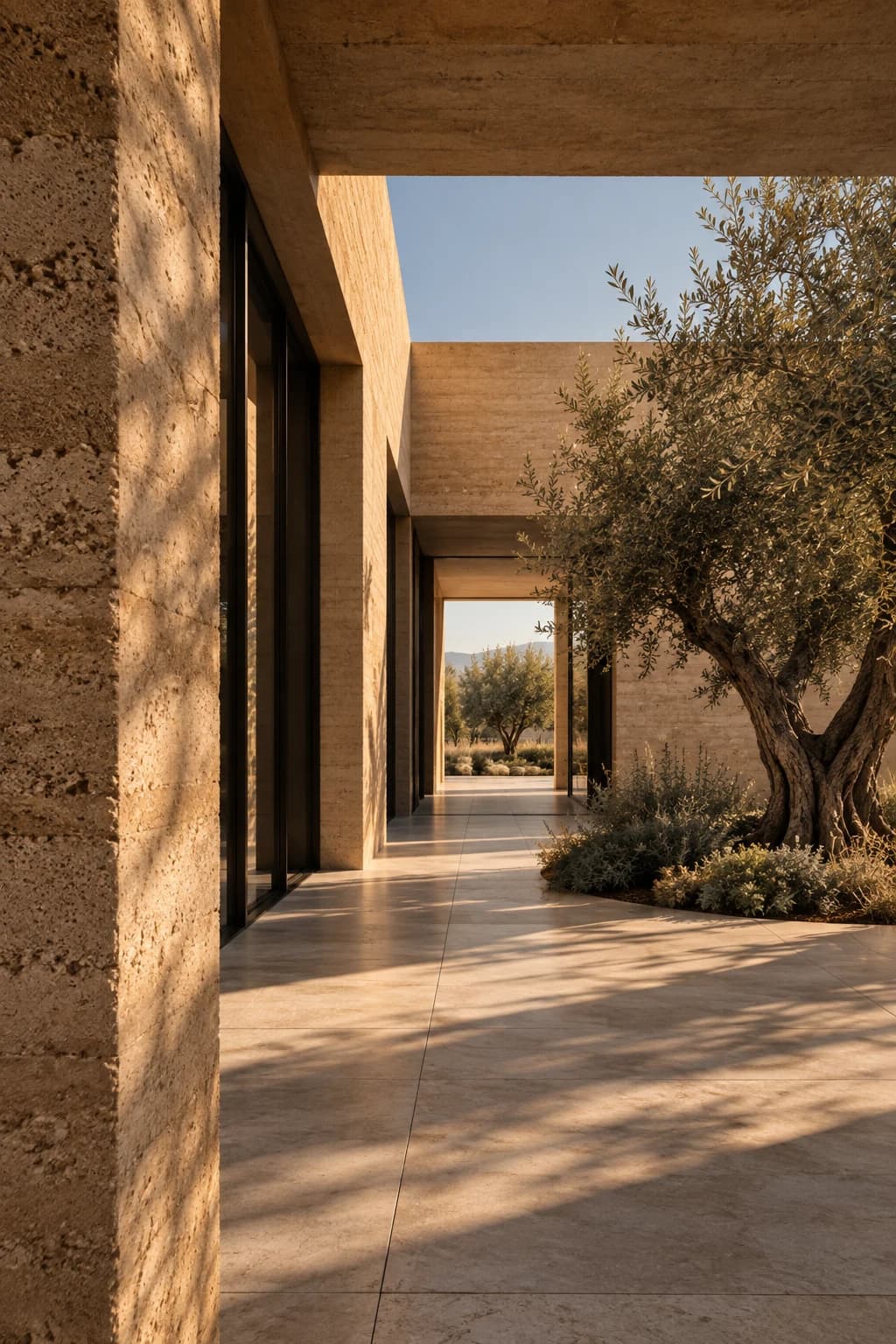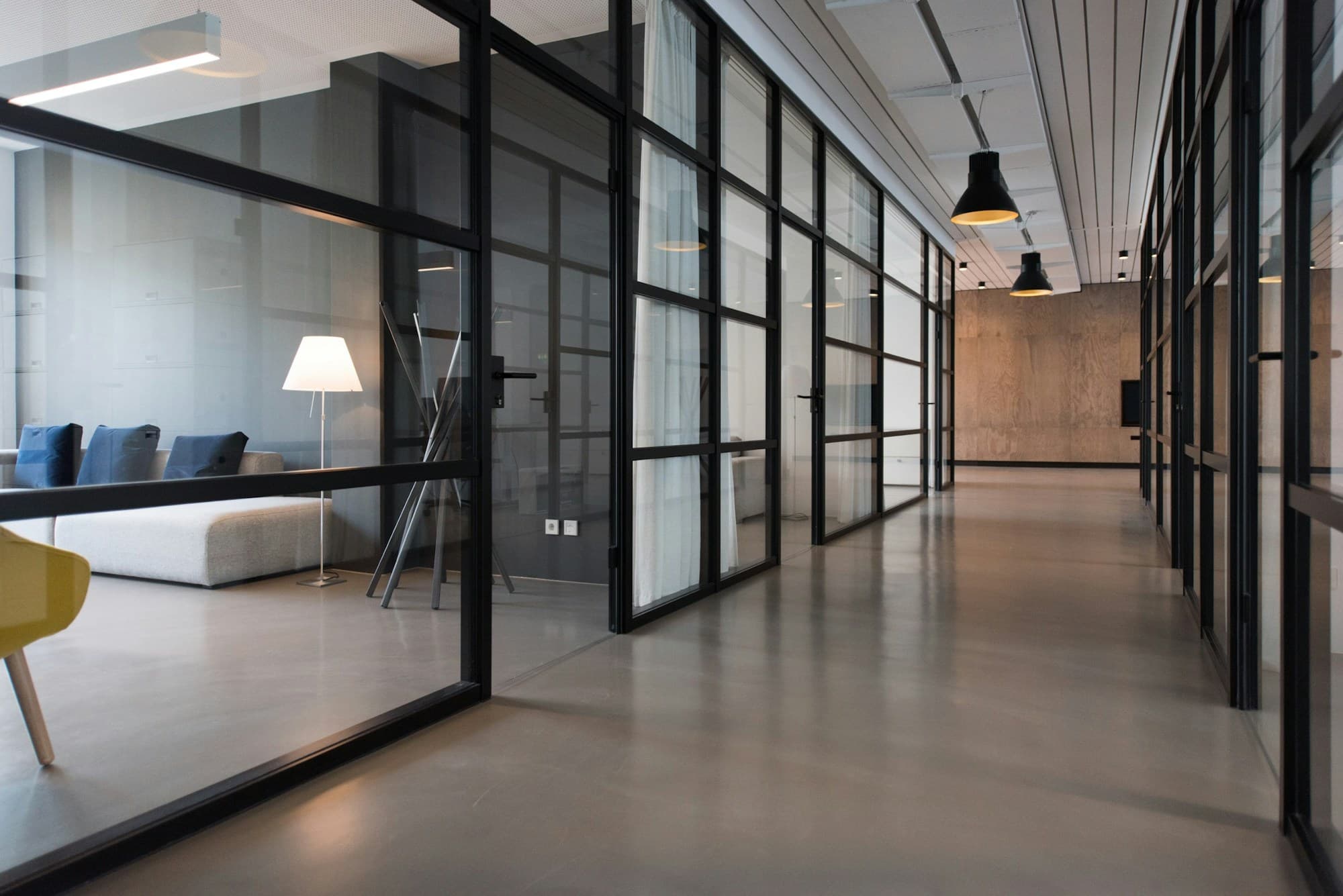
A useful workplace supports more than one way of working, without turning every activity into a prescribed setting.
Listen to the ordinary day
Workplace briefs often begin with desk counts. We prefer to begin with a day: when people arrive, where they speak privately, how they share a meal and what happens when a deadline brings everyone together. The answers reveal needs that a floor-area schedule can miss.
Some tasks need silence. Others need a table large enough to spread out drawings. Informal conversations need places where they do not interrupt concentrated work. A useful plan makes these differences clear without making the office feel divided.
“Choice is useful only when the spaces are comfortable enough to use.”
Acoustics are part of the architecture
A quiet room is not simply a room with a door. Air paths, glazing, ceiling construction and the placement of services all affect how sound travels. These details need attention while the plan is still flexible.
At Nordhavn Workspace, shared areas are grouped around the social centre and more enclosed rooms are placed along the quieter edge. The arrangement gives people a choice of setting while keeping the route through the office easy to understand.
Plan for an unknown team
Organisations change faster than buildings. A fit-out should therefore distinguish between the elements that need to be permanent and those that can move. Regular service points and reusable partitions make changes less disruptive.
Furniture also carries part of the plan. Tables that can be combined, chairs that remain comfortable over a long meeting and storage that belongs near the task can improve everyday use without requiring more construction.